How plants help brighten your day.

I am an avid plant lover. At any given time I have at least three different plants propagating somewhere on my window sills. These little green buddies do so much more for me than I realize. Here are some ways plants may help you too.

Light.

The south side of my house a lot of bright and beautiful sunlight, however at the north side of my house is particularly dark and dungeon like. My office sits on the north side, and now that I’m working from home, I am impacted by the low light.

I forced myself to put three plants that require a moderate amount of sunlight in my office area. So now I don’t feel like I am opening the shades purely for me, but I have a responsibility to my little buddies to keep them happy. With the past weeks of opening the blinds for them I have seen an improvement in my mood. 

Sunlight deprivation is a proven emotional affect on humans health and well-being. The concept of seasonal affectiveness disorder, is known through the low light (winter) months. But now through COVID 19 and forced time inside, sunlight is just as important.

Spider plant in a rounded terracotta pot near a window.
How many plants can you fit in a south facing window?

Color.

Even if you have a monochromatic themed decor in your home. Pops of color in plants can affect your mood. Some Research believes that it has to do with the wavelength of the color itself, in combination with a person’s individual history.

Higher frequency wavelengths tend to create higher energy emotions while lower frequency wavelengths create lower energy emotions. However, if culturally a color symbolizes something specific that can change the mood output. 

For example, blue is a low frequency color that can cause calming affect. But in Mexico blue can indicate mourning, so blue may cause slight distress to someone from that culture.

Jade plant in decorated terracotta pot.
Even if the plant itself is not colorful, you can add plant décor!

In western culture these colors are found to be related to these moods:

  • Red – power, strength
  • Blue – healing, calm
  • Yellow – energy, stimulation
  • Green – luck, progress (green means go)
  • Black – sophistication, mystery
  • Purple – spirituality, wealth (epilepsy awareness!)
  • White – peace, clarity

So thinking about using plant color in your home, think about the energy you want in that room. Your office may want plants with reds, yellows and greens to get you pumped, confident and progressive. On the contrary, in your bedroom you may want plants with blues and whites for an area ready for relaxation and good dreams.

Life.

Plants in your space give you that sense of simbiosis with the CO2 cycle. Plants breathe in carbon dioxide, and emit oxygen. They help freshen the atmosphere of your home, but they also improve the atmosphere of the whole entirety of the Earth! How cool is that?! Their leaves secret and absorb moisture, so they help regulate the humidity in your home. Our bodies pick up on these regulations of the air and physically improve our life.

So if you’re looking for a quick fix to help reduce your stress, improve your mood, and create a healthier living space, your answer is: plants.

Christmas cactus with a pink bloom
Blooming Christmas Cactus featured on @epil.epsy.ogue (Instagram)

Be sure to do your research on choosing the correct plant for your sunlight availability, temperature ranges, maintenance requirements, and pet safety if you have one living in the home. 

Do you have plants in your home? What are you favorite plants that bring you peace and happiness? Share in the comments below.

Photosensitive Epilepsy and Halloween Movies

The original idea for this post was to create a short list of Halloween movies that were safe for a person with photosensitive epilepsy. Photosensitive epilepsy is when sudden light/contrast changes trigger a seizure. 

What this post quickly turned into was a list of movies that were not safe for photosensitivity. Learn more about photosensitivity and seizures from the Epilepsy Foundation.

The spooky season comes with dangers when you live with epilepsy or migraines triggered by flashing lights. Strobe lights seem to be a staple in haunted houses. Lightening flashes are a common scary ambiance in Halloween movies. 

I watched each of these movies (I did so safely) to find these flashes. There were many of the classic movies that you wouldn’t expect that were disqualified from being photosensitive friendly. 

Although the movies below do contain some amount of flashing, watching the movie in a bright space lessens the likelihood of triggering a seizure or migraine. This is because the contrast difference is lessened. The 🌞 indicates that the movie is most likely safe for daylight viewing.

Disclaimer: Not all photosensitivity is the same.  You can use the below list as a reference if you are unsure of the photosensitivity safety. Please use caution when watching ANY movie if you are triggered by light changes.

Family Friendly Halloween Movies:

  • Nightmare Before Christmas
  • Hocus Pocus 🌞

  • Adams Family (1991)
  • Edward Scissor-Hands 🌞
  • Beetlejuice

Halloween Classics:

  • Halloween

  • Poltergeist
  • Ghostbusters
  • Evil Dead 2: Dead by Dawn

Modern Halloween Movies:

  • Underworld

  • Silent Hill
  • Tucker and Dale vs Evil 🌞

My goal is to watch almost every horror, thriller, slasher, and monster movie, in western culture, to grow this list.

There are movies that you can enjoy in the dark that do not have flashes. But that will be a (much smaller) list for another time.

What is your favorite Halloween movie? Is there a movie listed above, that surprises you that it is not photosensitive safe?

How to Use Movement to Improve Your Mood.

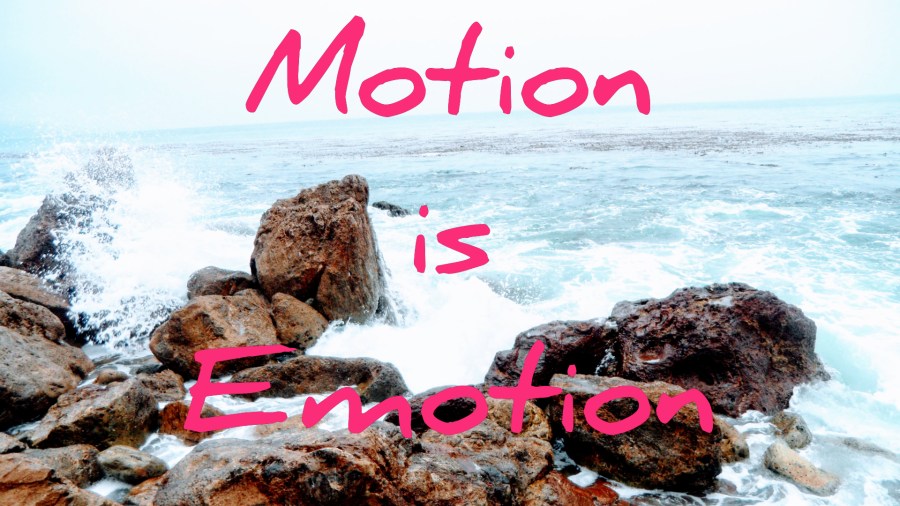
Motion is emotion.

When I first heard this phrase, I quickly shrugged it off. It was a week of increased seizure activity, and that particular day was exceptionally challenging. Fatigue was causing my ability to move to almost be non-existent. My mood was so low I couldn’t fathom experiencing any other emotions. 

However, my partner, being the wonderful support he is, never left my side. He continued to remind me that motion is emotion. He was trying to encourage me to move up and out of the dark place I was in.

Shifting our thinking when feeling negative, anxious, or depressed can be a daunting task. When it comes to shifting our mindset, we remember my partner’s advice: motion is emotion.

Consider Newton’s first law of motion is a perfect example. “An object at rest stays at rest..” But this doesn’t mean it will stay like that forever. To jumpstart that movement, start with the basics.

Stick to the basics. Have you moved your body? Have you felt the sunshine on your face? Have you brushed your teeth? Have you had a meal/snack? Have you taken a shower?

Yes, these might seem like little things. But, these little things inspire bigger things. How?
Because they do matter. You may not be aware that they matter on most days. It is on that day that you feel your worst, that you can notice the biggest difference when you accomplish these little things. 

If you want to change the world, or even if you want to change your own world, you must start at the basics. Initiate that forward motion. referring back to Newton’s first law, it also says “…An object in motion stays in motion unless acted upon by an unbalanced force…”

Starting may be difficult, but continuing is easier. I promise; it’s physics. There may be times that an outside force (like seizures in my case) may slow, or halt your motion. But remember, motion is emotion. 

If you have read it this far, I want to remind you that you are amazing. And you have the ability to take care of yourself and tend to the basics. You are worth it and your mental health is worth it.

And when you complete the basics, just know that I am proud of you. I am grateful I have you to come along this journey… Join me won’t you?

What movement helps you when you feel stuck? Share your ideas in the comments.

Chronic Illness: Expectation vs. Reality

Managing social expectations can be difficult when you have a chronic illness. Social expectations of what your illness “should” be like, can be greatly influenced by things seen on TV and movies. Unfortunately, many illnesses and disabilities get portrayed in just one way. And that depiction can sometimes be the only experience of an illness or disability someone has in their life.

You may have seen commercials for new medications that  have actors portraying your chronic illness. Sometimes it is hard to see a person in the commercial doing all these things that you cannot. People in those commercials always seem to have a positive attitude about their condition. 

You might see things on social media of people accomplishing milestones that you’re worried you may never get to. It is okay to feel frustrated. It is okay to feel hurt by other people’s experiences. No two people, and no two journeys are alike. 

What can we do to help when we are feeling like that?

Recognize how strong you are. Say to yourself “this is really hard, but I am working on it.” You are here in this moment, and you know what that means? You have been brave enough to not give up or give in to your disability or chronic illness.

Allow yourself to feel frustration, disappointment, anger, etc. Don’t let somebody tell you that your emotions are bad or invalid. You are going to feel, however you are going to feel. Practice not pushing the emotion away, or pushing the emotion down. But also practice not clinging to that emotion or holding grudges. I say practice, because this will take time to get better at accomplishing.

Focus on what you know to be true in this moment. Try to avoid thinking only in extremes. For example “I never will” or “it is wrong that” or “it is not fair that” are parts of extreme thinking. Remind yourself of the good you have right now. Read more about stating your one good thing here.

Finish by thinking of pleasant things that you can do today that makes you feel good. And acknowledge how amazing and wonderful it is that you can do that. There are many activities that can bring joy that don’t require much effort, but can bring much joy. Can’t think of anything off hand? The following list contains Covid-19 restriction friendly suggestions.

  • Singing (regardless of talent level)

  • Talking with a friend (on the phone or in person)

  • Day dreaming (stick to good thoughts)

  • Gaming (board or video)

  • Playing with pets (this is good for them too)

  • Reading (books or blogs – like this one!)

  • Napping (one of my favorites)

  • Learning something new (language, hobby, musical instrument)


Here is my example of using the above technique: I see people who are days, months, and years seizure-free via social media. Right now in my life I’m lucky to go a couple of hours seizure-free. Therefore, I can feel quite discouraged and jealous at times.

But, the fact that I can help bring awareness about the different experiences people have with epilepsy, and other chronic illnesses makes me feel proud. Helping more of the general public be aware that not all epilepsy looks the same, is very rewarding. 

My hope is, with more education, social expectations will be more realistic. My truth in this moment is: I know I have the capability of reaching towards that goal, with this blog. It is hard, but I am working on it.

Having a chronic illness comes with a lot of unpredictability. You may not know what the future may hold. But together we can work on bringing more joy and comfort in the now.

What are some frustrations you experience with your, or a loved ones chronic illness? Do you think you will try what was discussed above in those moments? Feel free to share in the comments.

5 Things to Keep You Safe During Reopening

The world is beginning to open back up. However, this does not mean that the virus is gone and everyone is safe again. Here are 5 simple things to keep yourself as safe as possible while entering into the new world.

  1. Practice good hand hygiene. You have done so well in the past 2 months teaching yourself to wash your hands efficiently and completely. Don’t let that great habit die! 
  1. Continue to wear your mask while in public. Don’t touch your face or mask unless you have freshly washed hands.
  1. Keep physically distanced in public spaces. Is the beach absolutely packed and you have to sit within 3 feet of 3 different groups of people? Maybe you can soak up the ocean fun another day. Be flexible on your adventures, and aim for more open space and less crowded places. It may be disappointing that plan A was a no-go, but plan B is just as exciting! Just be sure to plan for both before leaving the house.
  1. Take advantage of contactless pick up/ delivery. As more people are out and about, more people are exposed. It is great that your favorite restaurant is back in business; but the best way to support the community is to keep yourself and others safe and healthy.
  1. Trust your gut. Only you know what is safe, and what is too risky for you. Don’t feel pressured by friends and family to go out if you feel like it is too soon. Be honest to the people in your life; if they love you, they will understand.

What are your plans now that things are opening up? Feel free to share in the comments.

How to Focus on the Positive (in a time of Negativity)

“Just focus on the good”. – Advice I’m sure you have heard before.

Kind of a hard thing to do right now in the world. All the scary and bad thoughts that can easily occupy your mind. Everything and everyone is focused on the Coronavirus how terribly it is affecting the world. So if everyone and everything is having you focus on the bad, how are you supposed to get your mind at ease, and off of this pandemic?

The simple answer: change of mindset.

The better answer: small steps can help in changing your mindset.

This will not happen overnight. This is something that takes practice, and dedication. Dedication to see the good. This does not take more than a few moments, and you don’t need any special equipment. 

Right now change of mindset might seem like an overwhelming task. But all you need, is one. One good thing. 

How do you find your good thing of the day?

First assess who you are, where you are, and what you have in this moment. 

Is there someone in your life that is always your support? Have you accomplished something that maybe was a bummer doing, but you are proud that it’s done? Did someone say or do something that made you smile? 

Even if you’re something good is simple as: I had good snuggle time with my dog today. That’s where I need you to start – smallest things. Overtime reflecting on your day it will get easier, and you will find more, or bigger good things. I promise.

Enlist the help of your family and friends to start getting in the habit reviewing your one good thing of the day.I practice at the end of every day with my husband. But as long as we have been practicing, even we found we forgot to think of our one good thing, once this virus stopped the world. 

But being dedicated to our mental health, we picked it back up. Don’t let a slight lapse in practice discourage you. Just start again and let you one good thing of the day be that you are back focused on remembering your one good thing!

You’ve got this, friend. So go out there, and be prepared to start counting your good things!

Anything you can think of right now as your one good thing? Share it below in the comments.