10 Things to Prepare Before Brain Surgery Plus One Bonus Suggestion

Undergoing brain surgery can be a daunting experience, but being well-prepared can help you feel more at ease heading into the process. You have read everything about the surgery itself. You have the instructions from the hospital, and the surgeon. But maybe you want a little more of and insider tip from someone who has been there, done that. Well you have come to the right place!

Here are ten essential things to get ready before your surgery, along with a bonus to consider at the end.

1. Baby (Gentle) Shampoo: Harsh chemicals can be detrimental to healing incisions. Baby or natural shampoos are usually safe, but please check with your surgeon if you are unsure. Liquid shampoo is easier to apply and spread to tender areas rather than a bar.

2. Shower chair: Weakness is common after surgery and with brain surgery compromised equilibrium expected. Having a shower reduces the chance of falls. You may need assistance with showering at first regardless, but having a shower chair allows more independence as you get further in your healing journey.
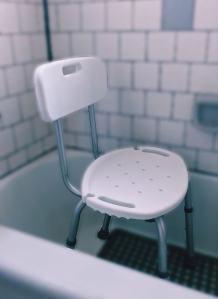
White shower chair sitting in a white tub with dark grey bath matt and white tile and dark grey grout.
Safety First

3. Wound Wash (Benzethonium Chloride) Antiseptic Spray: Keeping your wounds clean is crucial to prevent infection. Showering every day is recommended, but your wounds can still become dirty. This spray not only cleans and keeps the area from getting infected, but also cools, and moisturizes the incisions. Having the incisions be moisturized and cool prevent unbearable pain and itching at a time you can’t be touching your incisions. You can purchase a can at your local Walgreens or CVS.

4. Ice packs: Prepare multiple ice packs, so you can rotate them to alleviate pain and reduce inflammation. Consider preparing different sizes. Some ice packs may fit on one side of your head, but not be effective on the top. Look at what shops have available, and see what may work best for you. There are also DIY ice packs made with water and isopropyl alcohol. Learn how to make your own by clicking here.

5. Recliner Chair or Electric Recliner: Sleeping with an incline helps reduce inflammation. However, getting in and out of bed post surgery can be challenging. A recliner allows easily conversion from upright to reclined during your recovery. If the recliner requires a lot of physical effort to move up and down, enlist someone who is with you during recovery to help you. An electric recliner would be preferable as it requires no effort on your part.

6. Sleep Mask: Anytime a skull is opened for surgery a small bit of air remains after closing. This is normal – sounds creepy, but normal. This tiny bit of air can cause migraines. Light sensitivity is a usual part of a migraine. Look for an eye cover that fits your head comfortably and blocks out light effectively. Keep in mind where your incisions will be when looking at fit before surgery. Anyone who experiences migraines knows that completely dark, sometimes isn’t dark enough.

Woman sleeping with one arm over head with pink fuzzy eye mask in blue long sleeve shirt and white under shirt.
Photo by cottonbro studio

7. All the Pillows: Finding a comfortable position can be challenging after surgery. Have on hand a myriad of pillows: wedge, neck, traditional, contoured memory foam, couch style etc. Having various pillow options, can increase your likelihood to prop in a comfortable and cozy position.

8. Button-up (or Zip up or Snaps) Shirts: Your head will be swollen and tender. This post-op time is a time to switch your tops to zip-ups or snaps or button ups for a It’s not often that you think about how the neck opening to a shirt glides along your head. You may be thinking “its just a few moments of contact, it can’t be that bad!”

9. Silk or Sateen or Satin Pillowcase: having a low friction pillow case allows your hair to move freely and have less of a chance of getting pulled or knotted. The material also stays a bit cooler which can make your head a bit more comfortable during the recovery process.

10. Support person: During the recovery process, physical limitations may make it difficult for your to manage alone. Recruit someone to monitor you for the first 24 hours, and be available to you for the first week after surgery. This support person, or team of people, should be the type that can help keep your spirits up remind you of all the progress that you have made. Recovery can be challenging and emotional, so having the support to relax and reduce stress is important to your physical recovery.

You might consider…

Bonus: Haircut: you don’t have to shave completely. My long locks were a huge part of my identity for the majority of my life. However, imagining my hair pulling on the incisions, had me cut it down to mid shoulder blade length. If I were able to go back in time, I would tell myself to cut more! So assess your hair density, length, and preferred style, and seriously consider going as short as you are comfortable with; then, maybe more.

By being well-prepared before your brain surgery, you can alleviate some of the anxiety and focus on a successful recovery. Have you gone through surgery recovery? What item was your must have? Comment below!

Oral health and Epilepsy

Taking care of your teeth is important for everyone, but it can be particularly challenging if you live with a condition that causes involuntary clenching or grinding of your teeth. Did you know that dentin, the substance that makes up the bulk of your teeth, is the hardest substance in your body (with bone coming in second)? When you have a medical condition like seizures, it’s essential to take extra care of your oral health to avoid injuries and long-term damage. In this post, we’ll explore some practical tips to help you care for your oral health.

Photo by Pixabay

Find a good dentist. Having a good dentist as a part of your healthcare team is crucial when dealing with a chronic illness that affects your oral health. Be sure to inform your dentist of all your medical conditions. Seizures themselves can cause oral injuries. Some anticonvulsant medications have oral health side effects. Working closely with your dentist, you can help make a plan for oral health that fits your unique situation.

Get a mouth guard. Using a mouth guard can be a game-changer if you experience clenching or grinding of your teeth due to seizures. Your dentist can customize a mouth guard specifically to your mouth and needs, or you can buy one over-the-counter and custom-fit it yourself. Your dental insurance may even cover the cost of your guard, or at least reduce it. If you choose to buy one over-the-counter, just know that getting the perfect fit takes a lot of patience so be sure to read instructions that come with the kit.

A mouth guard can help prevent irreversible enamel damage caused by seizures, as well as prevent any further wear and tear on your molars. Talk to your medical professional to see if a mouth guard would be beneficial for you, and don’t hesitate to ask your dentist for advice on choosing the right type of mouth guard for your needs.

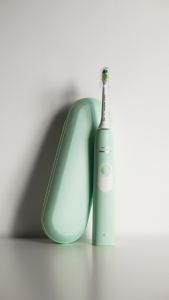
Use an Electric Toothbrush. Using an electric toothbrush can make brushing easier and more effective, especially when you’re dealing with a medical condition that affects your oral health. The oscillating and rotating motion of an electric toothbrush can help remove more plaque and bacteria from your teeth, giving you a cleaner, healthier smile. If you can afford the luxury of an electric toothbrush, it’s worth investing in one. Look for one that has soft bristles and multiple speed settings, and consider getting one with a timer to help you brush for the recommended two minutes. With proper use and care, an electric toothbrush can last for years, making it a smart investment in your oral health. Just don’t neglect to floss just because you have a fancy new tool!

Mint Green Electric Toothbrush
Photo by Cristi Ursea on Unsplash

What is the best thing that you have done for your oral health? Do you see the dentist at least once a year like the American Dental Association recommends? Comment below!

3 Must Do’s When Living With a Chronic Illness

Trying to be “perfect” with a chronic illness is impossible. However, being open to learning about yourself, and adapting to your ever-changing situation, can help you thrive in ways that may seem unattainable. Here are three basic things that greatly help manage living with chronic illness.

Turn Bad Days Into Good Data

There are no avoiding bad days when you have a chronic illness. There is no doubt that a bad day can cause feelings of anger, frustration, and grief when losing another day to your condition.

One way we can turn them into a positive is by learning everything we can about those days. Analyze your day or week leading up to that bad day. Was it food, lack of sleep, and/or activity that triggered this bad day? If you are not sure, keeping track will help you see patterns you never noticed before.

Photo by Isaac Smith

Sometimes with chronic illness bad days happen for no particular reason. But perhaps you can find something that you have the ability to manage. Changing that one thing can perhaps decrease the frequency and severity of the bad day.

A health journal can be an ally in tracking your ups and downs. You can create a diary on paper, or look for apps that fit your needs. Along with tracking the “what went wrongs” do not forget to note the “what went rights.” Remembering to mark those positives can help maintain perspective.

Treat Your Emotional Health, Not Just Your Physical Health

With chronic illness you more than likely have been prescribed medication (or several) to treat your physical health. You have maybe changed your routine, or added an activity in your life to help cope with your chronic illness. But have you added anything to help improve your mental health?

Photo by Mike Erskine

Sometimes people feel like we must hide our illness, or just “tough it out” but that can be extremely detrimental to your mental health. Along those same lines, mental health can be extremely detrimental to your physical health.

Take the time to acknowledge your emotions, so that you can deal with them in a healthy way. If you are unsure how to start, reach out to a professional to help guide you in your mental health journey.

Be Forgiving

Would you treat a friend badly because they had to cancel plans because of their chronic illness? I assume not. So why would you be down on yourself when you have to? Treat yourself how you would treat a good friend in the same situation.

Replace judgemental thoughts with love and forgiveness. When you catch yourself saying or thinking a negative thought, stop, and reframe the thought. For example, I find myself thinking “I’m so pathetic” quite often.

When I catch myself in those moments I stop, take a breath, and change that thought. “I may not have been able to open the jar, but I tried, and asked for help when I needed it. And for that, I am proud of myself.”
This may seem difficult at first, but the more you practice, the easier it becomes. Eventually, you may even find yourself skipping the negative thought in the first place!

What are your “must do’s” in living with a chronic condition? Do you practice any of the above? Let me know in the comments below!

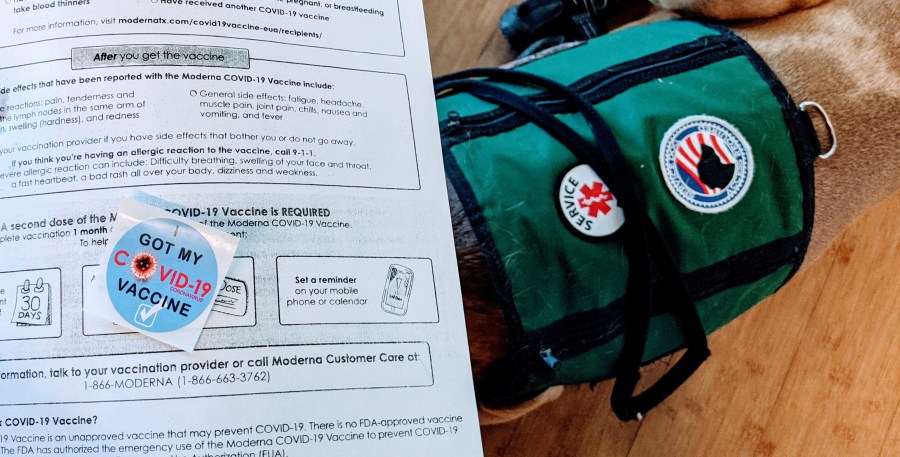
I got the second dose of the covid vaccine, and this is what happened.

Spirits were high. One by one, co workers, friends, and my family were getting vaccinated. There were the range of reactions. Some people were incapacitated by their flu-like symptoms, and others felt almost nothing. But one thing that everyone had in common, is that the second dose was an intensified version of the first. 

Regardless, we finally felt as if things were moving forward, towards an end to this devastating pandemic.

Read about the first vaccine dose. 💉

The first vaccine was administered indoors 😷 and precautions were taken seriously. Side effect was body pain, but luckily no fever, or feeling sick. 

After my initial dose, the department of health  informed me once the booster became available. The email came more quickly than I expected.  

The Department of Health scheduled my appointment at the same location as the first shot. It was within the 28day range; I didn’t even have to do the math! Easy peasy. 👍

Saturday

Although it was the same location, the set up was different. It was a drive through, when the initial dose was administered indoors.

Drive through vaccine?! I thought, What an age we live in! 👏

Two separate lines of cars filtered through two tents, ending at 4 people administering the vaccine. It was much more relaxing, being in my own space, with the comfort of our SUV’s heated seats.

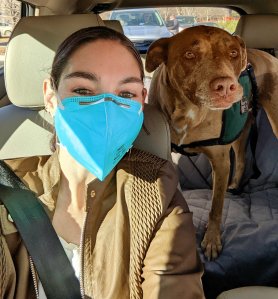
Woman buckled into seat of car with a mask on, with service dog buckled in the back seat.

As we pulled up to get the shot, I immediately wished I had put more thought into how to get my arm in a place where she could access it.

In a quick decision I draped my arm out the window so it would be easier for her to get to. It was a terrible decision. 

The angle of my arm left my muscle in an award position, and didn’t let it relax fully. She inserted the needle and it ripped through a bit of muscle. As the plunger was pushed, the liquid shot too deep and I could feel fibers of my muscle separating. I knew I was doomed for a long recovery for the arm pain. 

It was not her fault at all. It was all me, because I didn’t plan ahead, or simpler yet, let her guide me. 

A parking lot adjacent was the area for the 15 minute waiting period. A nurse gave us the batch lot number to fill in my vaccine information card. The other cars in the waiting area probably thought I was dancing the YMCA because I was trying to work my muscles, hoping it would make it feel less terrible the next day. 🕺

Sunday

04:30 am. Woke up with terrible whole body pain. The CBD cream wasn’t enough. It was time to bring out the heavy hitter: 200 mg of Ibuprofen. Laying down was terrible, but I could hardly hold up my own weight if I stood. The minutes crawled by as I waited for the IBU to kick in. When it did, I was able to fall back asleep. 

My partner woke me up at 8 to take another pain reliever, and I immediately fell asleep on the couch. I woke up again just to go back to bed. A bit of food and maintaining the pain reliever schedule helped enough to be able to sit outside and enjoy the lovely day. I took a few more naps that day; my body was working too hard to expect any more from it.

Monday

02:30 a.m. The dog went out to pee and one of our neighborhood skunks was in our yard. After that adrenaline rush subsided, I realized that although I felt significantly better, my elbows, hips, and knees were still very sore. So much so that a Tylenol was needed to let me fall back asleep.

09:00 a.m. Thank goodness work started late today. The morning shower definitely took longer than usual just because my body was still not 💯. It was a staff meeting Monday, meaning zero physical exertion, just mental. Apparently that was too much. I had to turn my video off and lay on the couch and just listen to the meeting, twice. My boss knew I was struggling with the after effects of the vaccine, and has been so understanding to all of her staff as we struggle with our shots.

Tuesday

A bit of sore knees, hips, and elbows, but nothing tylenol couldn’t help. By the afternoon, I was giddy just because I felt like me again! 

Overview

As expected, the symptoms were the same with the first dose, but with more intensity. Sticking to a pain reliever routine was greatly beneficial. I pushed fluids to help defend against possible fever.

Overall, I am very thankful for my opportunity to receive the vaccine. This is a small step towards a common, world goal. Being vaccinated has me daydreaming even more about what thing I am going to do when things get back to “normal.” 

Have you gotten your COVID 19 vaccine first or second dose? Did you have a different reaction the first and second time? Let us know in the comments.

I received the COVID-19 vaccine, and this is what happened

Phase 1a of implementation of vaccine is available to healthcare workers. This is a category that I happened to fall under. The following is my experience as a person living with uncontrolled, medication resistant epilepsy, and recommendations based upon that experience.

Consulting with my neurologist, he assured people with epilepsy who are receiving the vaccine are not experiencing any new/different side effects than those without the condition. 

Fever, fatigue, and pain are triggers to my seizures and they are the most common side effects of the vaccine. My nurse requested that I monitor my temperature and any symptoms and report back. She asked if she could share my experience to others with epilepsy if they had questions. (Of course I said yes. That is the purpose of this blog: to share my experience in hopes it helps at least one person.)

We made a seizure action plan. 

The vaccine appointment was scheduled as early in the day as possible. That way if any symptoms arose, or I had questions, I would have my primary care & neurologist available.

My partner was lucky enough to get the day of the vaccine (Friday) off of work so that he could monitor my well-being. Having fatigue be a concern, I appreciated having the weekend to be able to recover.

We also made sure we had a fresh refill of my rescue medication. It would be on standby in the event of increased seizure activity with the development of any side effects.

Although allergic reactions to the vaccine are rare, we had the epi pen at the ready. There are many medications that I have developed an allergy to, but no vaccines. 

But when I say the allergic reactions are rare with the vaccine, I mean rare. Out of the 1.9 million people who got the Pfizer vaccine in December, only 21 people developed anaphylaxis. * 

I kept in mind my “why”

It may have seemed like I had everything under control with all the planning, but sadly that was not the case. Sleep was difficult because of my anxiety. My ambivalence almost caused me to cancel the appointment. I second guessed myself on if it was safe with my epilepsy to get it in phase one. Expectation and anticipation of the unknown were the key to my misery (it always is).

Should I wait for more people to get it before I am willing to subject myself to this new thing? What is more frightening, the vaccine or COVID itself? (Answer: Getting COVID unprotected)

The day before the appointment, I had a breakthrough in clarity. I have a responsibility, to myself, to my family, to my friends, to the WORLD, to keep us all safe. Getting the vaccine would be my small contribution. Not everyday do I get to help save the word. 🌎

Thinking about it that way, helped me feel empowered, and thankful that I had the opportunity to receive the vaccine. It would be selfish of me to wait. Next, I had to help calm my anxiety.

I did research 

Both vaccines are made from messenger RNA. This mRNA is a generic blueprint given to your body. You can imagine it works kind of like giving a mugshot to your immune system of the bad guy (COVID-19) it needs to protect your body from. Once your immune system recognizes that bad guy, if it interacts with it later, your immune system is prepared. Even though it’s genetic material, the vaccine itself does not alter your genes, and turn you into the next *insert you preferred genetically modified superhero here*. However, it does encourage your body to pump some new security codes into your system. 

The beauty of using the mRNA method is that your body does the work to protect itself. Because of that, the vaccine can be produced much faster than other methods. For example, the flu shot viruses have to be grown in chicken eggs, then harvested, then deactivated, then purified. That all takes 6 months before ever getting close to you. And that method had been refined after decades of experience. 

Moderna had an efficacy of 94.5% and Pfizer of 90% during phase 3 trials. ** Those efficacy numbers are outstanding. Comparing back to the flu shot, it usually only reduces risk about 60% (but there are many strands of flu we are working against).

Day of the vaccine 💉 (Friday)

Appointment time was 08:30. It was 31 farenheit and there were not enough portable heaters. Dallas, my medical alert dog, was shivering as if to shake the frost off his body. My co-worker was ahead of me in line. Just being able to wave goofily at each other was surprisingly comforting. 

The line moved smoothly, and much more quickly than I was anticipating.My husband stayed with me in the line outside until I got inside with only 4 people ahead of me. The makeshift space was entered through an emergency exit door. A line of chair backs was used as a check in space. The normal check in window had make shift protection on the openings. I let out an audible giggle as to how awkward, but oddly efficient everything was.

The nurse giving the injection was so skilled that I didn’t feel the needle, only the pressure of of the fluid entering my body. I had to reassure nurse Crystal that I had my epi pen, rescue med, and inhaler. She emphasized the importance of staying the full 15 minutes for monitoring. 

I noticed others leaving early. But it is important to be honest with reporting all symptoms and drugs (prescribed or otherwise) so healthcare providers can make suggestions to keep you safe. I stayed the full 15; I felt fine.

My goal for the day was to push fluids and monitor myself. A few hours later my arm started to feel sore, but no more than a flu shot does.

By the end of the night my arm was so sore it’s range of motion was at 80% it’s usual. The only irritation around the injection site was from the band-aid (and it wasn’t even a cool power ranger one 😞).

Skin Irritation due to contact dermatitis

Day after the vaccine (Saturday)

I woke up feeling like I had climbed Everest the day before. My body was sore, my joints ached, there was no using my right arm. Sitting hurt, so I would stand. Standing hurt, so I would walk. Walking took so much effort that I would get tired and have to sit right back down. Fatigue is not a stranger to me, but that was different. 

I didn’t want to use any pain reliever, especially a fever reducer. My body was working hard to help me against COVID-19, and there was no way I was going to interrupt that process by introducing other chemicals.

However, suffering wasn’t a requirement. Out came the CBD balm. If we could have drawn a bath of it, I would have dipped myself in. Every joint and muscle, and even the tender right arm was covered. 

CBD is magic. By the end of the day I was able to do dishes with little pain (darn, didn’t have an excuse to avoid them anymore). We have no dishwashing machine, so I was able to scrub with vigor thanks to the CBD. 💪

Day 2 after vaccine (Sunday)

Woke up after quite a restful night. The tenderness in the vaccine arm was negligible; about as much as a flu shot. The fatigue I experienced was easily cared by having a relaxed, no chore Sunday. Overall, a darn good day even by my epilepsy standpoint! 

Day 3 after vaccine (Monday)

My neuro nurse anticipated this would be the last day of any extra soreness or fatigue. Soreness only was noticed when squeezing my arm. There was some fatigue that seemed more than my usual. Being back at work in addition to the fatigue caused an increase in my seizure activity. Feeling so well the day before caused me to disregard the possibility of needing to take it easy. However, I considered myself in the clear from the possibility of detrimental side effects. 

Now it is just a matter of waiting the 28 days for the booster! 

Summary/ Recommendations

  • Consult with your physician about your health condition when considering the vaccine.
  • Having a specified seizure action plan helped with managing anxiety as well as preparing for the physical.
  • Keep in mind your reasons for getting the injection.
  • Extreme soreness was able to be controlled by topical pain creme.
  • No behavior/medication change besides extra intake of fluids.
  • Increased fatigue can be treated/managed in the same ways as you do with your normal amount of fatigue. 
  • If working during the recovery days, allow yourself extra breaks, and don’t forget to monitor yourself.

Are you planning on getting vaccinated? Any questions on the experience that you would like to ask? Let us know in the comments.

As a reminder, I am not a certified medical professional. The above is not intended to be used in place of professional medical advice. You should always consult with your healthcare physician prior to making any medical decisions.

Resources:

*CNBC: CDC says severe allergic reactions to the Covid vaccine run 10 times reactions to the flu shot but they’re still rare. https://www.cnbc.com/2021/01/06/cdc-says-severe-allergic-reactions-to-covid-vaccine-run-10-times-the-flu-shot-but-still-rare.html

** https://theconversation.com/how-mrna-vaccines-from-pfizer-and-moderna-work-why-theyre-a-breakthrough-and-why-they-need-to-be-kept-so-cold-150238

Create the Perfect Apology With These Five Tips

‘Tis the season of forgiveness.

We all have said, and done things that we regret. We know we messed up. So how do we start the apology process? Sometimes it seems impossible.

If we break down the process into steps, and gather our emotions, it’s not.

Here are five ways to communicate that you are sorry, and have the other person feel your sincerity. 

Express your regret or remorse. Something happened, and it didn’t turn out well. How do you feel about what happened? Were your actions something regretful? Do you feel utterly empty without the other party’s presence in your life? Be honest and open about how you feel about the result of what happened.

Explain what you think went wrong (without pointed phrases). Pointed phrases are statements that shift responsibility to the other party. They invalidate the other person’s feelings. An example of a pointed phrase is “I’m sorry that you were offended” or “I’m sorry, but you…” They have every right to feel what they feel, as do you. As much as you wouldn’t want them to dismiss your feelings, don’t dismiss theirs. 

Request forgiveness and allow as much time as the other needs to process their emotions. Putting a time limit, or expressing an expected date of when the other person should forgive you, will most likely cause the other person to not want to even begin the forgiveness process. 

Before composing: Give yourself time to be in a space where you feel ready and able to apologize. Being sincere is more important than rushing an apology. Emotions of remorse best translate in a face to face interaction. in times of COVID-19, that may not be an option, but consider a video visit. Likewise, just your voice can convey sincerity over the phone. 

If you want to say sorry but feel like an in person or over the phone apology would cause more issues (ie. Interruptions, raised voices), a hand written one is better than none. No deed is too small if the relationship is worth restoring.

You are ready forgive/apologize, and move forward. How do you know the other party is ready? You won’t necessarily know. But don’t let assuming that the other party is not ready to forgive, hold you back from reaching out with an apology.

Do you feel like you need to apologize to someone? Are you going to use the tips above? Let us know, in the comments, how your apology was accepted (or denied).

Purple Day and Pandemic 2020

It is scary living with a chronic, uncontrolled illness on a normal day. With the emergence of COVID-19 (coronavirus), it is easy to feel incapacitated.

The need to put your health care first, especially when you have loved ones that need care also, can be difficult. This conundrum has put me in a tough situation. 

The smart doctors and scientists of the world are recommending physical (previously called social) distancing, and to self-isolate if you have symptoms. I don’t have symptoms – yet. And I am not kidding myself by thinking I will not get sick from this.

They are estimating 50% of people will get COVID-19. If I look at my household, between my husband and I… I will be the one to get sick. 

However, I think the best thing I could do right now is to stay at home, isolate myself for at least the next two weeks, and wait to see how the world is then, to make a plan moving forward. Seems really safe, right? 

Not actually. 

My husband still is going to work, as he works an essential job and is at low risk of infection. Because he is my main caretaker, he is the one having to go get my medications, and the household supplies. That puts him out there.

That means he is at a higher risk of contracting the virus, period. Then he comes home to me. We have a “decontamination room” at the back of the house where he strips down and sanitizes. That can only do so much. 

Regardless, he has still been exposed and therefore is exposing me to the virus just by being in the house. Not to mention our wanting to snog transfers all viruses and cooties. 

So where do we draw the line? Where do we find the comfort of “I’m doing everything I can” and keep the practicality of “I still have to live my life.” 

Maybe just holding on to the hope that the majority of the world is also practicing social distancing and washing their hands frequently and effectively, is all that we have right now.

Please, consider sending a text, a tweet, a DM, or video call to the people in your life that you know are supporting people in the high risk group. Thank them for helping reduce the curve. And a big thanks to you, if you are that person.

It is fortunate that I have a job that I can do – fairly well – from home. But it puts a burden on my fellow staff to pick up the slack on all the physical work that I’m no longer there to do.

I am ashamed telling my boss that I have to stay home; because I’m too scared of dying of SUDEP because the strain that getting sick puts on my uncontrolled brain. I need to thank them more, for holding the front lines, and being so understanding.

I want to thank my friends, my in-laws, and my parents, for not taking it personally when I tell them I can’t physically be with them for the unforeseeable future. I appreciate and love all of them.

I hope you feel that kind of support from the people in your life. 

Who do you appreciate the most right now? What do you find most difficult in these troubling times? Share with us in the comments.